Sleep and Mental Health: Why Quality Sleep Is Essential for Emotional Well-Being
Sleep is one of the most important foundations of mental health, yet it is often the first thing people sacrifice in busy daily life. Many individuals assume that feeling tired, restless, or mentally drained is simply part of modern living. However, sleep plays a critical role in how the brain regulates mood, manages stress, processes memories, and maintains emotional balance.
When sleep is disrupted, the brain has difficulty restoring itself. Over time, poor sleep can affect concentration, emotional regulation, motivation, and overall mental well-being.
Understanding the relationship between sleep and mental health can help individuals recognize why improving sleep quality is often an important step in supporting emotional stability.
How Sleep Affects the Brain
During sleep, the brain performs several essential functions that support mental and emotional health. It processes information from the day, organizes memories, and restores important neurological systems that help regulate mood and behavior.
Sleep also plays a key role in regulating neurotransmitters such as serotonin and dopamine, which influence mood, motivation, and emotional responses.
When sleep is consistently disrupted, these systems may not function optimally, which can contribute to symptoms such as irritability, anxiety, difficulty concentrating, and low mood.
The Connection Between Sleep and Anxiety
Many individuals experiencing anxiety also struggle with sleep. Racing thoughts, excessive worry, and heightened alertness can make it difficult for the nervous system to relax enough to fall asleep.
At the same time, poor sleep can increase anxiety symptoms the following day. When the brain is sleep deprived, it becomes more reactive to stress and less able to regulate emotional responses effectively.
This creates a cycle in which anxiety interferes with sleep, and poor sleep then intensifies anxiety.
Sleep and Depression
Sleep disturbance is also closely associated with depression. Some individuals may experience insomnia, where falling asleep or staying asleep becomes difficult. Others may experience hypersomnia, where they sleep excessively but still feel fatigued.
Research shows that sleep plays a significant role in emotional processing. When sleep is disrupted, the brain may have difficulty regulating negative emotions, which can contribute to feelings of sadness, hopelessness, or low motivation.
Addressing sleep patterns can often become an important component of mental health treatment.
How Sleep Affects Attention and Cognitive Function
Sleep is essential for concentration, memory, and decision making. When individuals are sleep deprived, the brain struggles to maintain focus, process information efficiently, and sustain attention.
This can lead to:
• difficulty concentrating
• slower thinking
• forgetfulness
• reduced productivity
• increased mental fatigue
For individuals with conditions such as ADHD, sleep disturbances may further intensify difficulties with focus and emotional regulation.
Signs That Sleep May Be Affecting Your Mental Health
Some signs that sleep patterns may be impacting emotional well-being include:
• difficulty falling asleep most nights
• waking up frequently during the night
• feeling tired despite getting enough hours of sleep
• increased irritability or emotional sensitivity
• difficulty concentrating during the day
• relying heavily on caffeine to stay alert
When these patterns persist, it may be helpful to evaluate sleep habits and explore strategies that support better rest.
Strategies That Can Support Healthy Sleep
Improving sleep does not always require dramatic changes. Small adjustments in daily routines can often make a meaningful difference.
Helpful habits may include:
Maintain a Consistent Sleep Schedule
Going to bed and waking up at the same time each day helps regulate the body’s internal clock.
Limit Screen Exposure Before Bed
Bright screens and stimulating content can make it harder for the brain to transition into sleep.
Create a Calm Nighttime Routine
Activities such as reading, stretching, or practicing relaxation techniques can signal to the brain that it is time to wind down.
Reduce Stimulants Late in the Day
Caffeine and other stimulants can interfere with the body’s ability to fall asleep naturally.
Keep the Sleep Environment Comfortable
A dark, quiet, and cool bedroom can promote deeper and more restorative sleep.
When to Seek Professional Support
If sleep difficulties persist for several weeks or begin to interfere with daily functioning, it may be helpful to speak with a healthcare professional.
Mental health professionals can help identify potential causes of sleep disturbance and develop personalized treatment strategies that support both sleep quality and emotional well-being.
In some cases, psychotherapy, lifestyle adjustments, or medication may be considered to improve sleep patterns and restore balance to the nervous system.
Conclusion
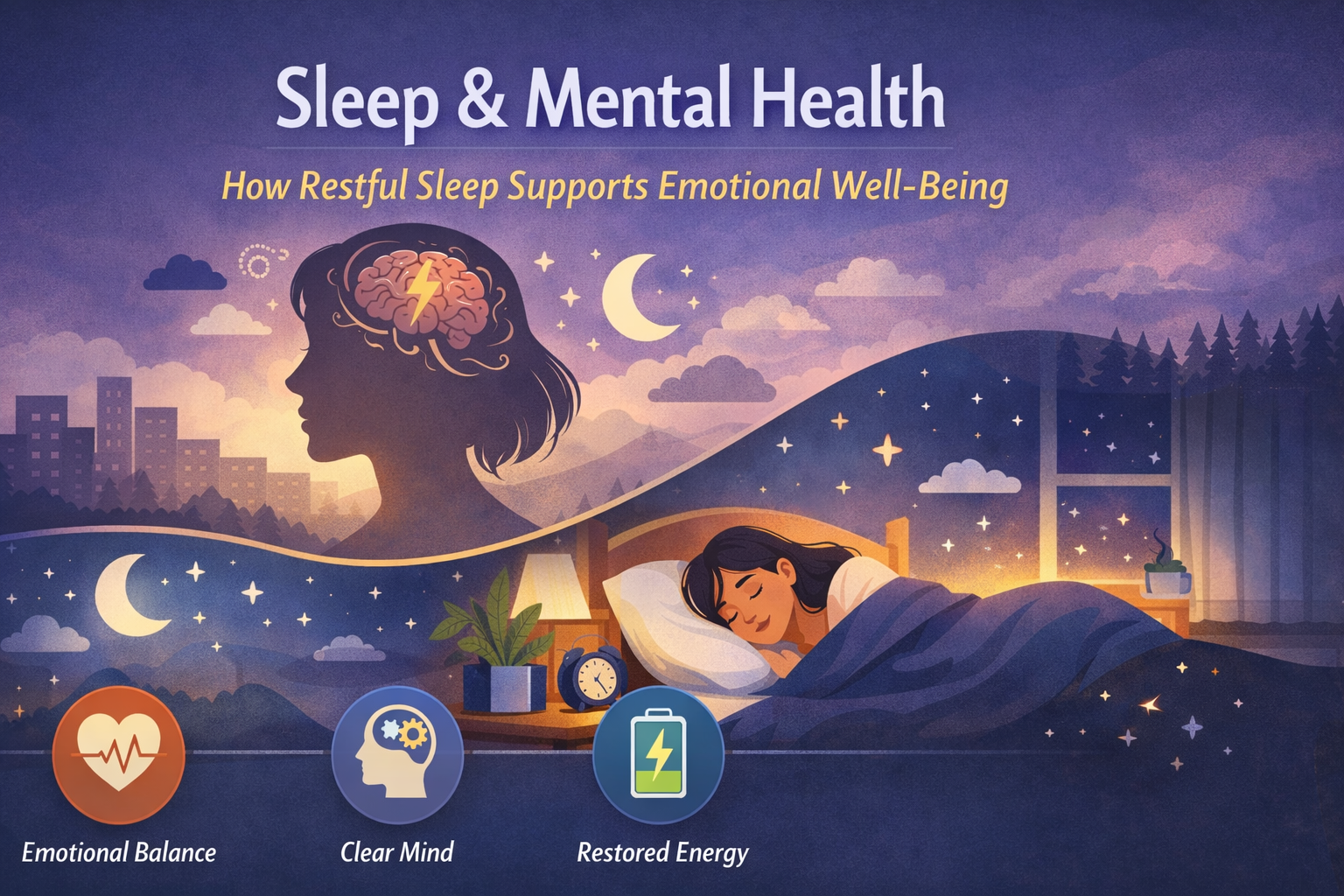
Sleep is not simply a period of rest. It is an active and essential process that allows the brain to regulate emotions, restore energy, and maintain mental clarity.
Prioritizing healthy sleep habits can significantly improve mood, focus, resilience, and overall mental health. When sleep improves, many individuals notice meaningful improvements in emotional stability and daily functioning.
Taking care of sleep is one of the most powerful ways to support both the mind and body.
If you would like to book an appointment today please click here.