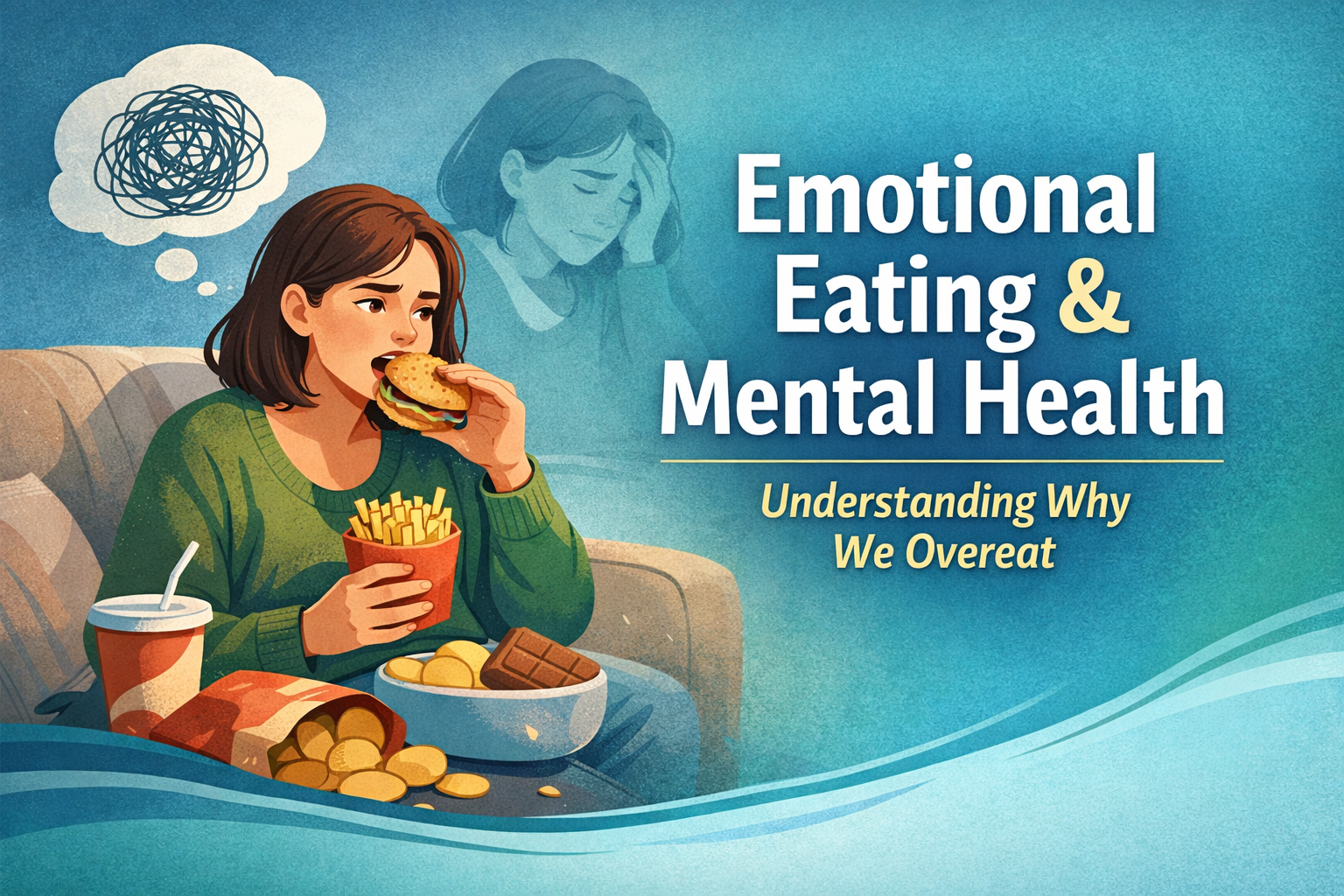
Emotional Eating and Mental Health: Why We Overeat and How to Understand It
What Is Emotional Eating?
Many people struggle with overeating at times, but for some individuals, eating becomes more than just hunger. It becomes a way to cope with emotions.
Emotional eating refers to using food as a way to manage feelings such as stress, anxiety, sadness, boredom, or even loneliness.
This does not mean someone lacks discipline or self-control. In many cases, it reflects how the brain and body are trying to cope with emotional discomfort.
Why Do People Overeat?
Food is not only a source of nutrition—it is also connected to comfort, reward, and emotional regulation.
When we eat certain foods, especially those high in sugar or carbohydrates, the brain releases dopamine, a neurotransmitter associated with pleasure and reward.
This can temporarily reduce feelings of stress or discomfort.
Over time, the brain may begin to associate food with relief, creating a pattern:
Emotion → Eating → Temporary Relief → Repeat
This cycle can make emotional eating feel automatic.
Common Triggers for Emotional Eating
Emotional eating is often linked to specific internal or external triggers. These may include:
• Stress from work or daily responsibilities
• Anxiety or feeling overwhelmed
• Sadness or low mood
• Boredom or lack of stimulation
• Loneliness or isolation
• Fatigue or emotional exhaustion
In many cases, the urge to eat is not about physical hunger but about seeking comfort or distraction.
Emotional Hunger vs Physical Hunger
Understanding the difference between emotional and physical hunger can be helpful.
Physical hunger:
• develops gradually
• can be satisfied with different types of food
• stops when full
Emotional hunger:
• appears suddenly
• often craves specific comfort foods
• continues even after feeling full
• may lead to guilt afterward
Recognizing this difference is an important step toward awareness.
The Role of Stress and the Nervous System
When the body is under stress, it activates the nervous system’s survival response.
For some individuals, this leads to seeking comfort through food.
Eating can temporarily calm the body, which is why it becomes a coping mechanism.
However, if this pattern continues, it can make it more difficult to develop other ways of managing stress and emotions.
The Emotional Cycle of Overeating
Many people who struggle with emotional eating experience a cycle:
Emotional discomfort (stress, anxiety, sadness)
Eating for relief
Temporary comfort
Feelings of guilt or frustration
Repeat
Breaking this cycle does not happen through restriction alone. It requires understanding the emotional patterns behind the behavior.
Healthier Ways to Cope With Emotions
The goal is not to eliminate food as a source of enjoyment, but to develop additional ways of coping with emotions.
Some helpful strategies include:
• Pausing before eating and asking, “What am I feeling right now?”
• Engaging in physical activity such as walking or stretching
• Practicing deep breathing or relaxation techniques
• Talking to someone you trust
• Journaling thoughts and emotions
• Creating structure around meals and routines
These strategies help build emotional awareness and regulation over time.
When to Seek Professional Help
If overeating feels out of control or is happening frequently in response to emotions, it may be helpful to speak with a mental health professional.
Therapy can help individuals:
• identify emotional triggers
• understand patterns and habits
• develop healthier coping strategies
• improve emotional regulation
In some cases, emotional eating may also be connected to underlying conditions such as anxiety, depression, or trauma.
Final Thoughts
Overeating is not simply about willpower. In many cases, it is connected to how the brain and body respond to emotional stress.
Understanding emotional eating with compassion—not judgment—can be the first step toward change.
Developing awareness and learning new ways to cope can help create a healthier relationship with both food and emotions.
If you would like to schedule a session please click here.
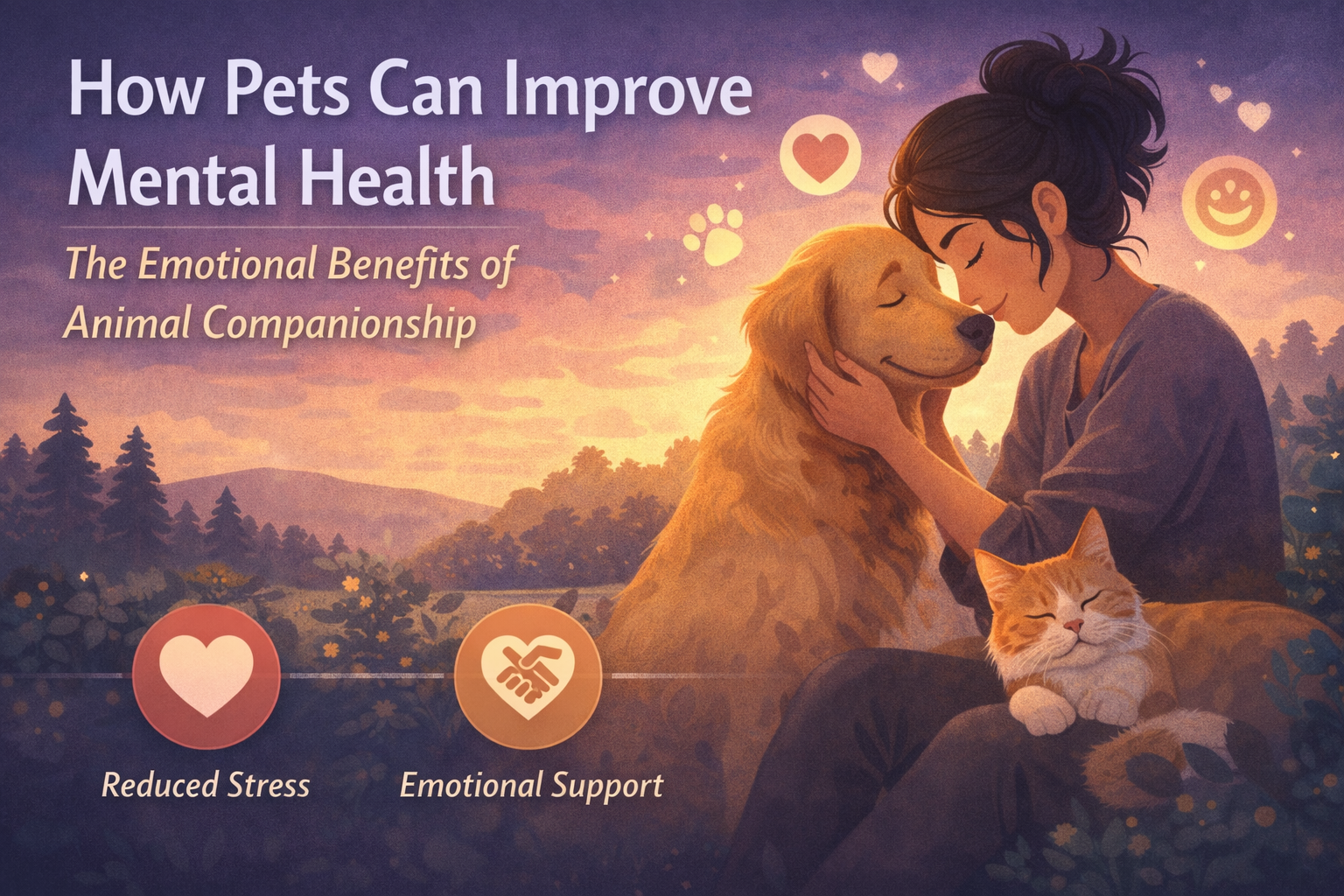
How Pets Can Improve Mental Health: The Emotional Benefits of Animal Companionship
Introduction
Pets are often considered part of the family, but their role in our lives can go far beyond companionship. Research increasingly shows that animals can have a meaningful positive impact on mental health.
From reducing stress and anxiety to providing emotional support and structure in daily life, pets can play an important role in supporting emotional well-being.
For many individuals, the relationship with a pet provides comfort, stability, and a sense of connection that contributes to better overall mental health.
The Emotional Bond Between Humans and Animals
Humans naturally form emotional connections with animals. When we interact with pets—whether through petting, playing, or simply spending time together—the body releases hormones associated with bonding and relaxation.
One of these hormones is oxytocin, often referred to as the “bonding hormone,” which helps promote feelings of trust, calmness, and emotional safety.
At the same time, interacting with animals can help reduce levels of cortisol, the hormone associated with stress.
This biological response is one reason many people report feeling calmer and more relaxed after spending time with their pets.
How Pets Help Reduce Stress and Anxiety
Pets can provide a calming presence during moments of stress or emotional difficulty. The simple act of petting a dog or cat can slow the heart rate and help the nervous system shift into a more relaxed state.
For individuals experiencing anxiety, pets can offer:
• comfort during stressful moments
• a grounding presence during emotional distress
• a sense of safety and companionship
Animals do not judge or criticize. Their consistent presence can create a reassuring environment for people who may feel overwhelmed or isolated.
Pets and Emotional Support
One of the most valuable aspects of pet companionship is the emotional support they provide.
For individuals struggling with depression, loneliness, or emotional fatigue, pets can provide:
• a sense of purpose
• daily companionship
• unconditional affection
Caring for an animal also encourages routine and responsibility, which can help individuals maintain structure in their daily lives.
Simple activities such as feeding, walking, or grooming a pet can help reinforce daily habits and encourage engagement with the environment.
Pets Encourage Physical Activity
Many pets, especially dogs, require regular physical activity such as walking or playing. This can naturally encourage owners to move more and spend time outside.
Physical activity is strongly connected to mental health. Exercise helps release endorphins, chemicals in the brain that improve mood and reduce stress.
Regular walks, outdoor time, and play with pets can therefore support both physical health and emotional well-being.
Pets Help Reduce Feelings of Loneliness
Loneliness is a growing concern in modern society, and social isolation can negatively impact mental health.
Pets can provide consistent companionship and emotional connection. Even though they cannot replace human relationships, they often help reduce feelings of isolation and provide meaningful interaction.
For individuals who live alone or who are going through difficult life transitions, the presence of a pet can bring comfort and emotional stability.
Pets and Children’s Emotional Development
Pets can also play a valuable role in children’s emotional growth. Caring for an animal can help children learn important skills such as empathy, responsibility, and emotional awareness.
Children who grow up with pets often develop:
• compassion toward animals and others
• patience and nurturing behaviors
• emotional bonding skills
These experiences can contribute to healthy emotional development.
Important Considerations
While pets can offer many mental health benefits, it is important to recognize that caring for an animal is also a responsibility.
Before adopting a pet, individuals should consider factors such as:
• time commitment
• financial responsibility
• lifestyle compatibility
• the long-term care needs of the animal
Choosing the right pet for your lifestyle can help ensure a positive experience for both the owner and the animal.
Conclusion
The relationship between humans and animals is powerful and deeply meaningful. Pets can provide companionship, emotional comfort, structure, and opportunities for connection that support mental well-being.
While they are not a replacement for professional mental health care, animals can play a valuable supportive role in promoting emotional balance and resilience.
For many people, the presence of a pet becomes a source of daily joy, comfort, and emotional support.
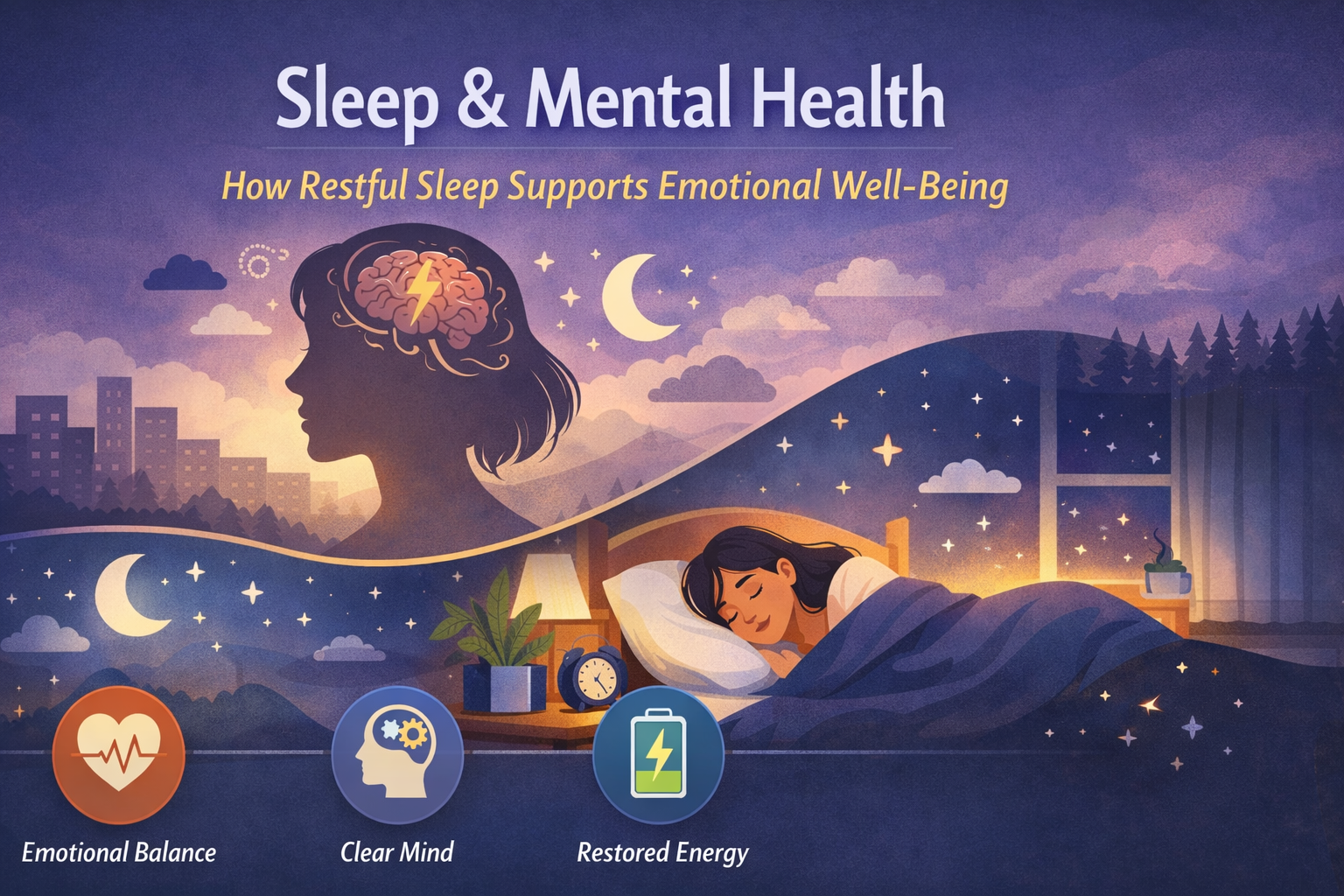
Sleep and Mental Health: Why Quality Sleep Is Essential for Emotional Well-Being
Sleep is one of the most important foundations of mental health, yet it is often the first thing people sacrifice in busy daily life. Many individuals assume that feeling tired, restless, or mentally drained is simply part of modern living. However, sleep plays a critical role in how the brain regulates mood, manages stress, processes memories, and maintains emotional balance.
When sleep is disrupted, the brain has difficulty restoring itself. Over time, poor sleep can affect concentration, emotional regulation, motivation, and overall mental well-being.
Understanding the relationship between sleep and mental health can help individuals recognize why improving sleep quality is often an important step in supporting emotional stability.
How Sleep Affects the Brain
During sleep, the brain performs several essential functions that support mental and emotional health. It processes information from the day, organizes memories, and restores important neurological systems that help regulate mood and behavior.
Sleep also plays a key role in regulating neurotransmitters such as serotonin and dopamine, which influence mood, motivation, and emotional responses.
When sleep is consistently disrupted, these systems may not function optimally, which can contribute to symptoms such as irritability, anxiety, difficulty concentrating, and low mood.
The Connection Between Sleep and Anxiety
Many individuals experiencing anxiety also struggle with sleep. Racing thoughts, excessive worry, and heightened alertness can make it difficult for the nervous system to relax enough to fall asleep.
At the same time, poor sleep can increase anxiety symptoms the following day. When the brain is sleep deprived, it becomes more reactive to stress and less able to regulate emotional responses effectively.
This creates a cycle in which anxiety interferes with sleep, and poor sleep then intensifies anxiety.
Sleep and Depression
Sleep disturbance is also closely associated with depression. Some individuals may experience insomnia, where falling asleep or staying asleep becomes difficult. Others may experience hypersomnia, where they sleep excessively but still feel fatigued.
Research shows that sleep plays a significant role in emotional processing. When sleep is disrupted, the brain may have difficulty regulating negative emotions, which can contribute to feelings of sadness, hopelessness, or low motivation.
Addressing sleep patterns can often become an important component of mental health treatment.
How Sleep Affects Attention and Cognitive Function
Sleep is essential for concentration, memory, and decision making. When individuals are sleep deprived, the brain struggles to maintain focus, process information efficiently, and sustain attention.
This can lead to:
• difficulty concentrating
• slower thinking
• forgetfulness
• reduced productivity
• increased mental fatigue
For individuals with conditions such as ADHD, sleep disturbances may further intensify difficulties with focus and emotional regulation.
Signs That Sleep May Be Affecting Your Mental Health
Some signs that sleep patterns may be impacting emotional well-being include:
• difficulty falling asleep most nights
• waking up frequently during the night
• feeling tired despite getting enough hours of sleep
• increased irritability or emotional sensitivity
• difficulty concentrating during the day
• relying heavily on caffeine to stay alert
When these patterns persist, it may be helpful to evaluate sleep habits and explore strategies that support better rest.
Strategies That Can Support Healthy Sleep
Improving sleep does not always require dramatic changes. Small adjustments in daily routines can often make a meaningful difference.
Helpful habits may include:
Maintain a Consistent Sleep Schedule
Going to bed and waking up at the same time each day helps regulate the body’s internal clock.
Limit Screen Exposure Before Bed
Bright screens and stimulating content can make it harder for the brain to transition into sleep.
Create a Calm Nighttime Routine
Activities such as reading, stretching, or practicing relaxation techniques can signal to the brain that it is time to wind down.
Reduce Stimulants Late in the Day
Caffeine and other stimulants can interfere with the body’s ability to fall asleep naturally.
Keep the Sleep Environment Comfortable
A dark, quiet, and cool bedroom can promote deeper and more restorative sleep.
When to Seek Professional Support
If sleep difficulties persist for several weeks or begin to interfere with daily functioning, it may be helpful to speak with a healthcare professional.
Mental health professionals can help identify potential causes of sleep disturbance and develop personalized treatment strategies that support both sleep quality and emotional well-being.
In some cases, psychotherapy, lifestyle adjustments, or medication may be considered to improve sleep patterns and restore balance to the nervous system.
Conclusion
Sleep is not simply a period of rest. It is an active and essential process that allows the brain to regulate emotions, restore energy, and maintain mental clarity.
Prioritizing healthy sleep habits can significantly improve mood, focus, resilience, and overall mental health. When sleep improves, many individuals notice meaningful improvements in emotional stability and daily functioning.
Taking care of sleep is one of the most powerful ways to support both the mind and body.
If you would like to book an appointment today please click here.